Abruzzo Table Linens:
Jacquard Tradition and Artisanal Italian Weaving
People often ask us why Abruzzo—why not the obvious names like Tuscany or Como, places that already come with a glossy label when it comes to fabrics, especially table linens.
Because for us, choosing custom table linens is not just an aesthetic decision—it’s also a cultural one. When a table is set beautifully, something around us changes—people slow down and start to notice. And that is what we wanted—linens that carry that same intention, pieces that are rooted, honest, and made with knowledge, not speed.
Abruzzo has exactly that—a rich heritage of material culture, dyeing traditions and decorative practices linked to a deep weaving history. Abruzzo is the kind of place where craft didn’t start as “craft” per se—it started as an everyday practice.
Where the story is preserved—the Museo delle Genti d’Abruzzo
If you want a glance into this world, start in Pescara at the Museo delle Genti d’Abruzzo. It’s a large ethnographic museum that documents traditional Abruzzese life with the kind of detail that reminds you about how culture is built—slowly, through repetition of hands at work.
In the section dedicated to material culture, the museum includes a collection of Abruzzese textiles—blankets, carpets, woven pieces that aren’t presented as decor, but as evidence of what families used, made, mended, and passed on to the next generation. When you see those textiles up close, you understand that fabric can truly be a historical document—it records taste and resources of a time, and of course identity.
Weaving that began at home and in the fields
Abruzzese weaving started in domestic and pastoral contexts—it was an everyday practice that gradually became culture. Mountain communities were shaped by farming and herding and textiles were far from being optional—they were absolutely essential. Warmth, durability, and practicality came first, and beauty followed naturally—probably because humans have always had the urge to make even necessary things meaningful.
So the ancient looms preserved in regional museums tell this story— a centuries-old tradition based on craftsmanship and knowledge passed down through generations. Not in a romantic sense, but quite literally—muscle memory built by watching, repeating, and correcting until the hands know what to do before the mind has finished the thought.
The Jacquard turning point (and why it matters to our linens)
This tradition has also embraced change—and a major historical turning point arrived with the invention of the Jacquard technique, adopted during the modernisation of the textile industry—particularly in historic wool mills in the 19th and 20th centuries, making it possible to produce fabrics with complex patterns.
That integration is important because it doesn’t represent “old versus new”—it’s more like a bridge: where manual skills have met technology without losing local identity. And this is personal for us, because some of our table linens are jacquard.
Jacquard weaving, with its intricate interlacing, represents a transition from technique to identity. The patterns are precise and recognisable—not just in motif, but in mood. The colours that speak to us most are the ones Abruzzo offers naturally—earth, stone, sun and olive trees. Under a jacquard weave, those tones don’t sit flat—they gain depth, they seem to move.
The tactile value you can see
There’s a sentence we keep coming back to—the tactile value is perceptible even to the eye. This sounds poetic, but it’s also very practical because a good woven textile has a presence. Even before touching it, you can tell it has structure—those tiny shadows between threads are an almost imperceptible relief that catches light differently as you move around the table.
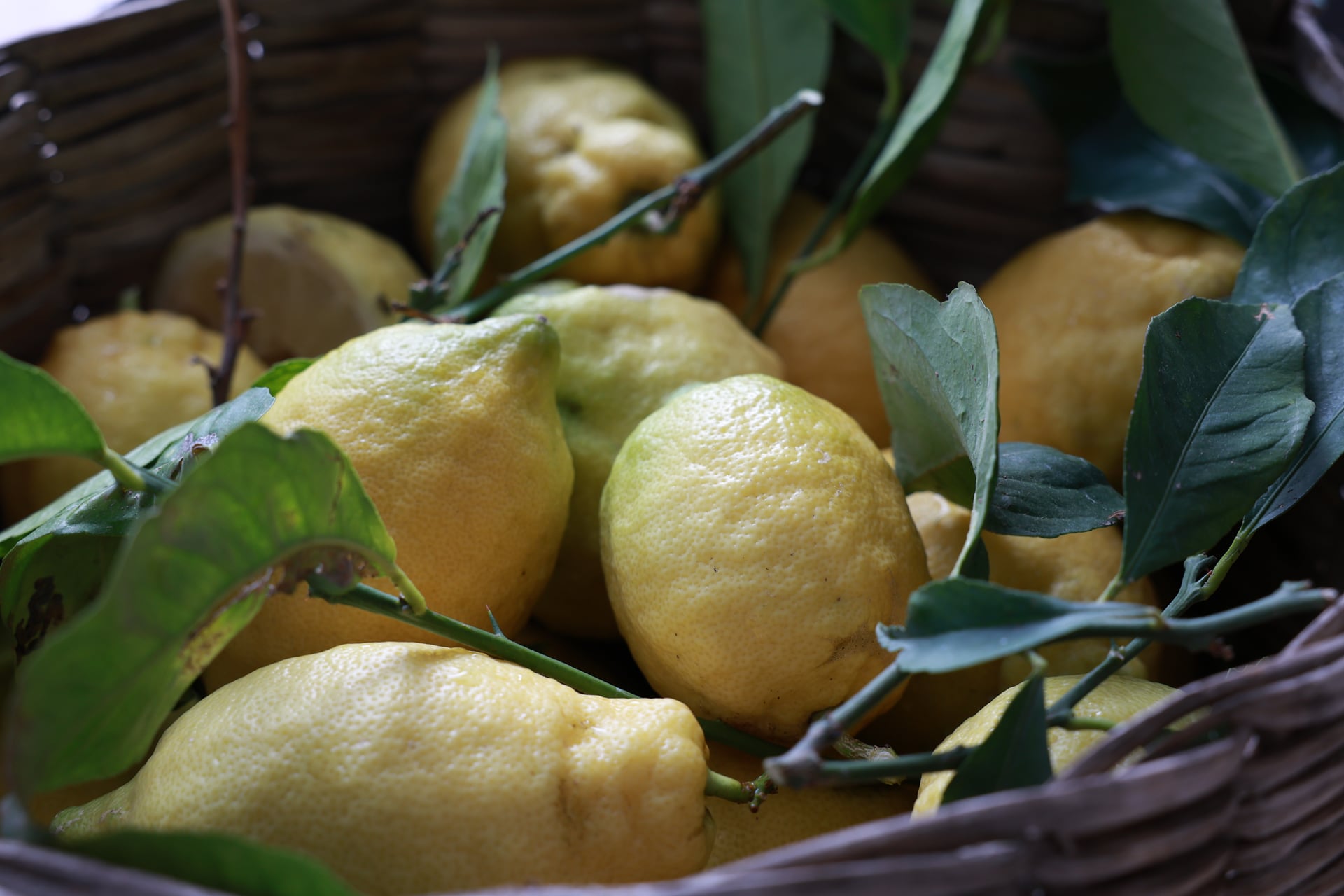
That’s perhaps the main reason these linens work so beautifully with rustic dining decor. They don’t need a perfectly staged setting—in fact, they look best in real life: wood grain, handmade ceramics, a bowl of lemons, a bottle of olive oil that’s actually used. The fabric stands out, but never shouts.
Natural fibres that breathe and age beautifully
We also cared deeply about the material itself. Natural fibres like cotton and linen breathe—they live with you. They soften and become more themselves over time.
That matters because table linens are not meant to be precious museum pieces—they’re meant to be present at weekday dinners, at birthdays, at long lunches where someone always ends up telling the best story of the year. Natural fibres don’t just tolerate that kind of life—they improve because of it.
And if you’re building a table setting that includes artisan tableware—hand-thrown plates, glazed bowls, imperfect glassware—natural textiles create the right conversation between objects. Nothing feels mass-produced and disposable. This is the kind of story that we want to tell with our carefully selected products.
Low-impact production and the philosophy of “slow”
We’re also living in a moment where “beautiful” can’t be the only requirement. Low-impact production aligns with slow, conscious philosophies—and this is another reason Abruzzo felt right.
When you choose linens tied to a tradition and made with durable fibres, which are designed to last, you’re stepping away from the churn of trend and replacement. You’re choosing fewer things, better things, and you’re giving your home objects that don’t have to be justified by constant novelty.
So why did we go to Abruzzo?
Because Abruzzo isn’t just a region that makes textiles—it’s a region where textiles are part of the cultural memory. Weaving here began as a necessity and became language, where the Jacquard technique didn’t erase tradition, but embraced and expanded it. Where patterns can still feel like landscape, and colour can still feel like a place.
In other words—we didn’t go to Abruzzo simply to “source” table linens—we went to find meaning in the weave.
And every time we set a table with these pieces, that meaning comes back beautifully, inviting everyone to slow down, take a seat, and stay a little longer.