Italian Cuisine is UNESCO Heritage.
Here's How We're Celebrating (With Fresh Lemons, Obviously)
In December 2025, something happened that we felt as quietly inevitable, even if it took a while—UNESCO officially recognised Italian cuisine as an “Intangible Cultural Heritage of Humanity”—the first time in history the organisation granted this status to an entire national cuisine rather than to specific dishes or regional traditions, which is quite remarkable on its own.
The recognition was the result of a dossier presented by three Italian institutions (the Italian Academy of Cuisine, the Casa Artusi Foundation and the magazine La Cucina Italiana) and formally submitted by the Italian government through its Ministries of Culture, Agriculture and Food Sovereignty, and Foreign Affairs. In other words, this has been a collective effort, which fits perfectly, because Italian cooking has always been exactly that.
What UNESCO is protecting here is not a single recipe or a canonical menu—it is a cultural and social blend of culinary traditions associated with the use of raw materials and artisanal food preparation techniques, a communal activity that emphasises intimacy with food, respect for ingredients and shared moments around the table. The practice is rooted in anti-waste recipes and the transmission of flavours, skills and memories across generations. In other words, the way a grandmother teaches her grandchild to make pasta. The way a family debates, loudly and lovingly, about which tomato is the correct choice. The way a meal is never just a meal.
We're not surprised the world has finally noticed and we are very happy about it.
Why This Recognition Matters to Us
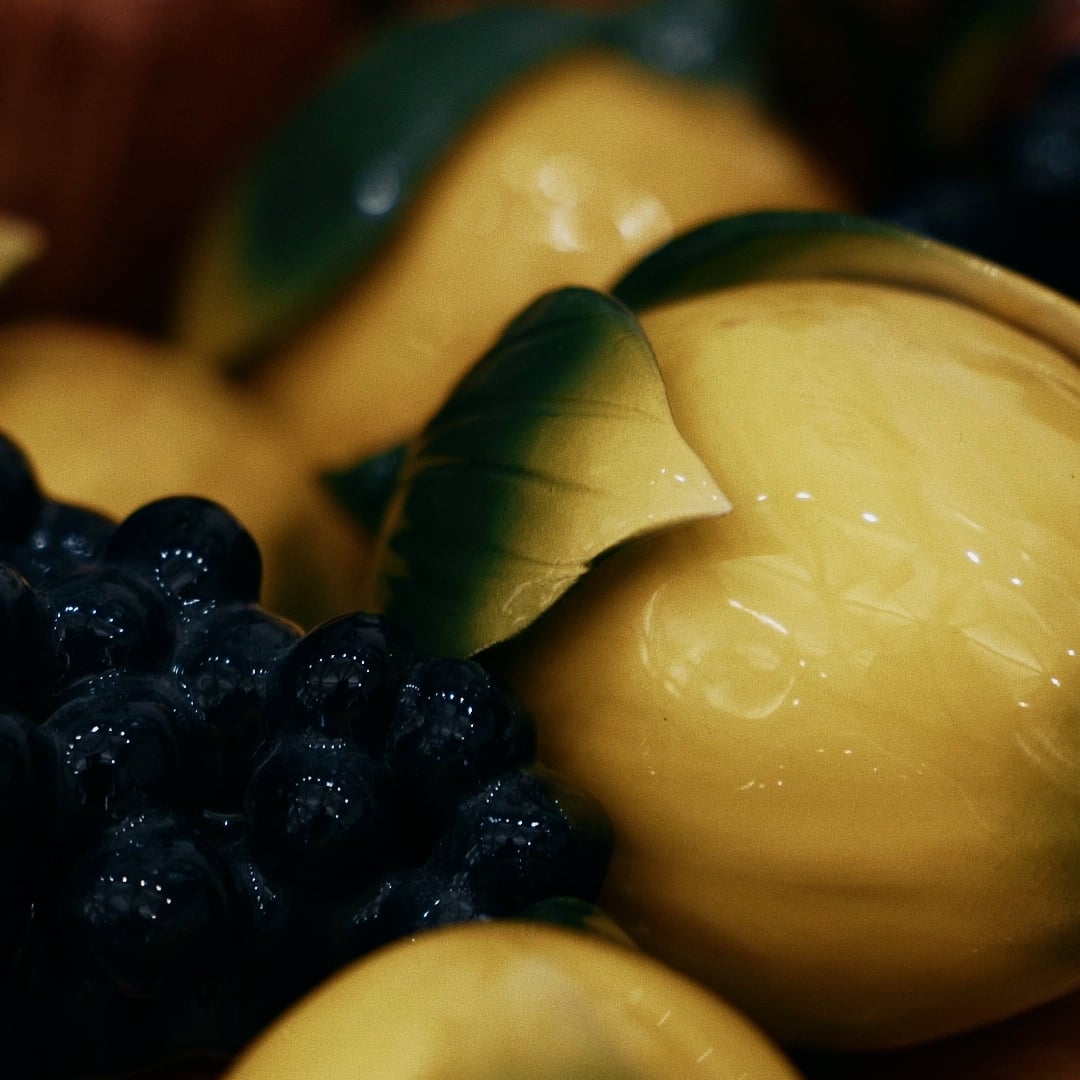
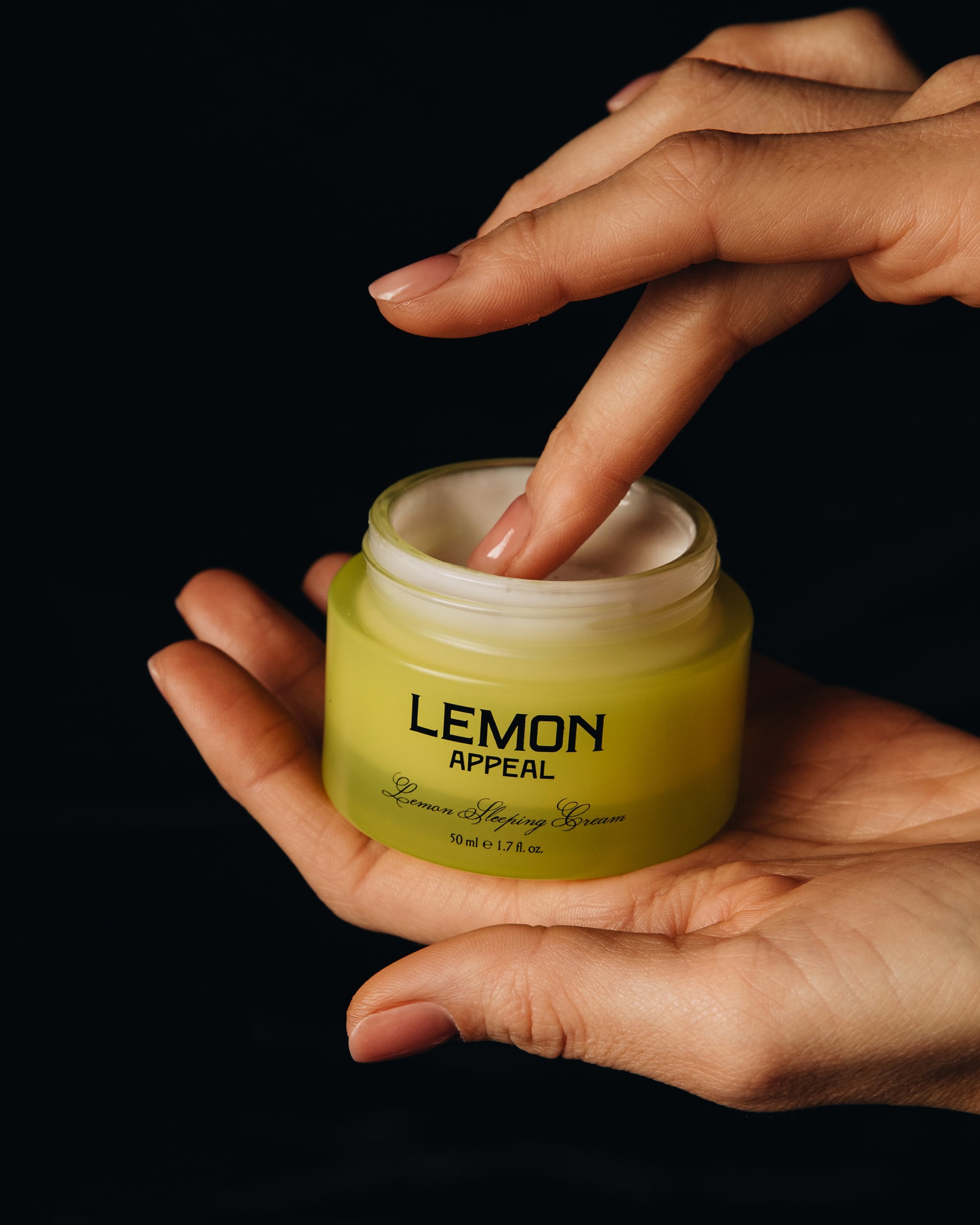
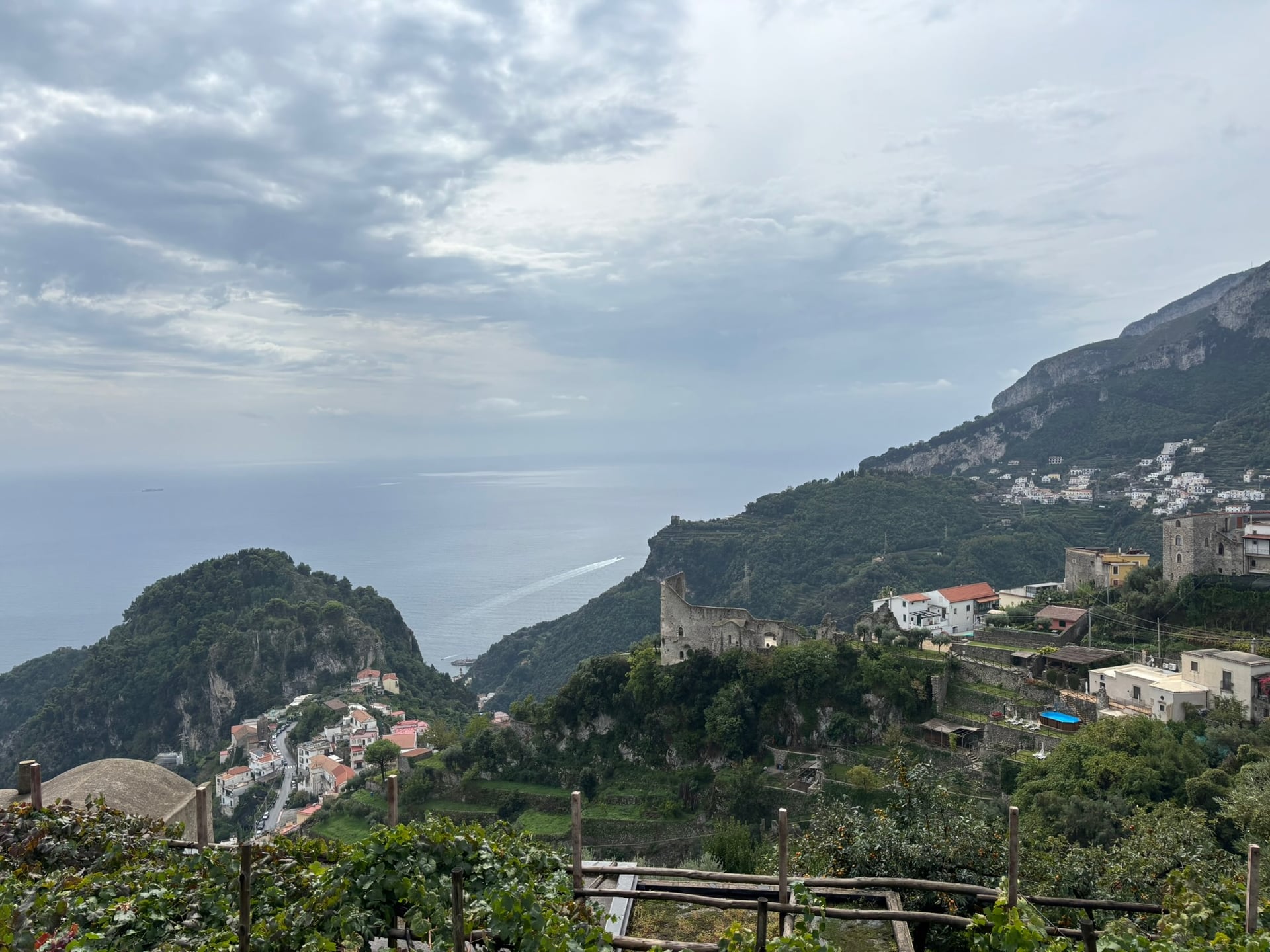
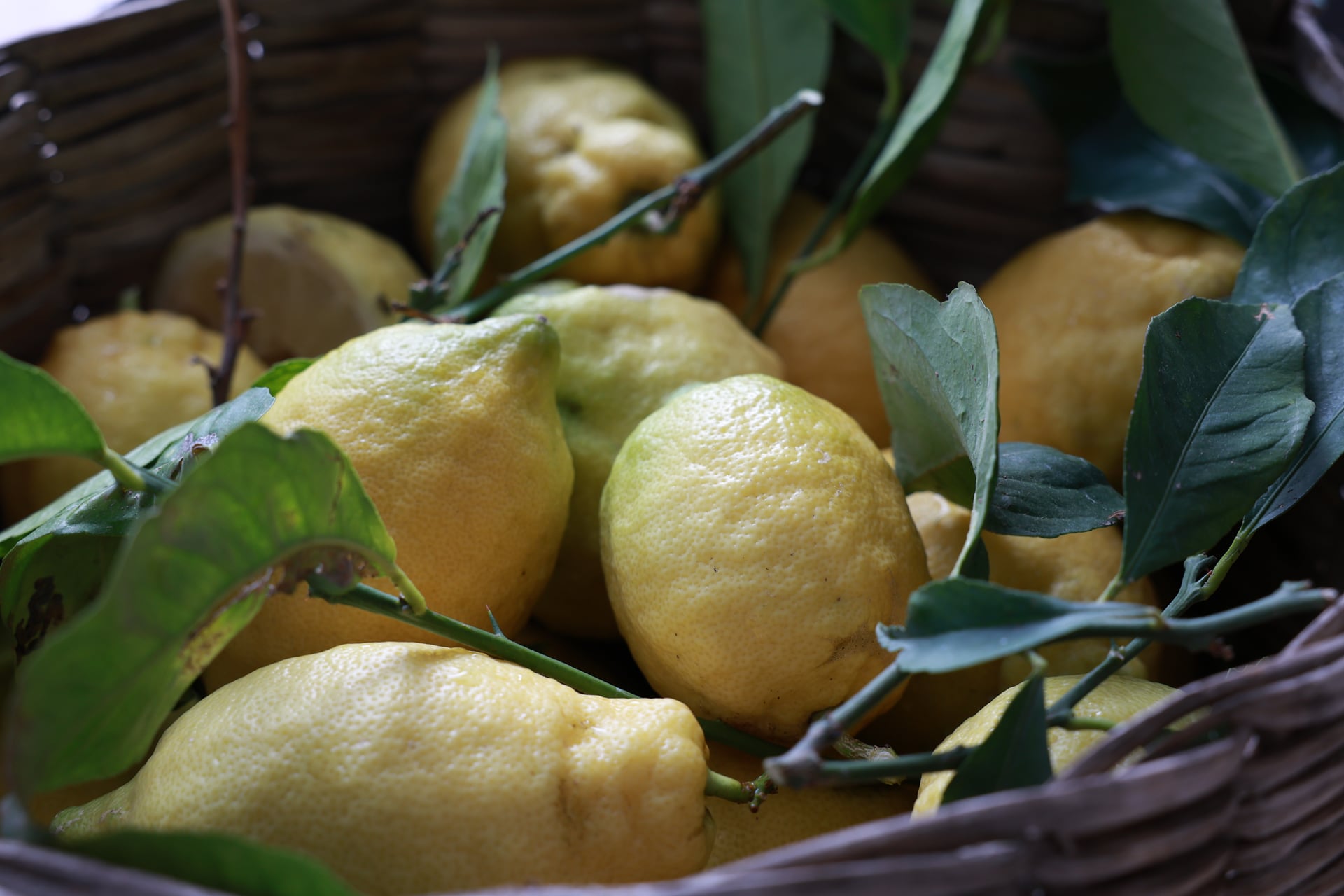
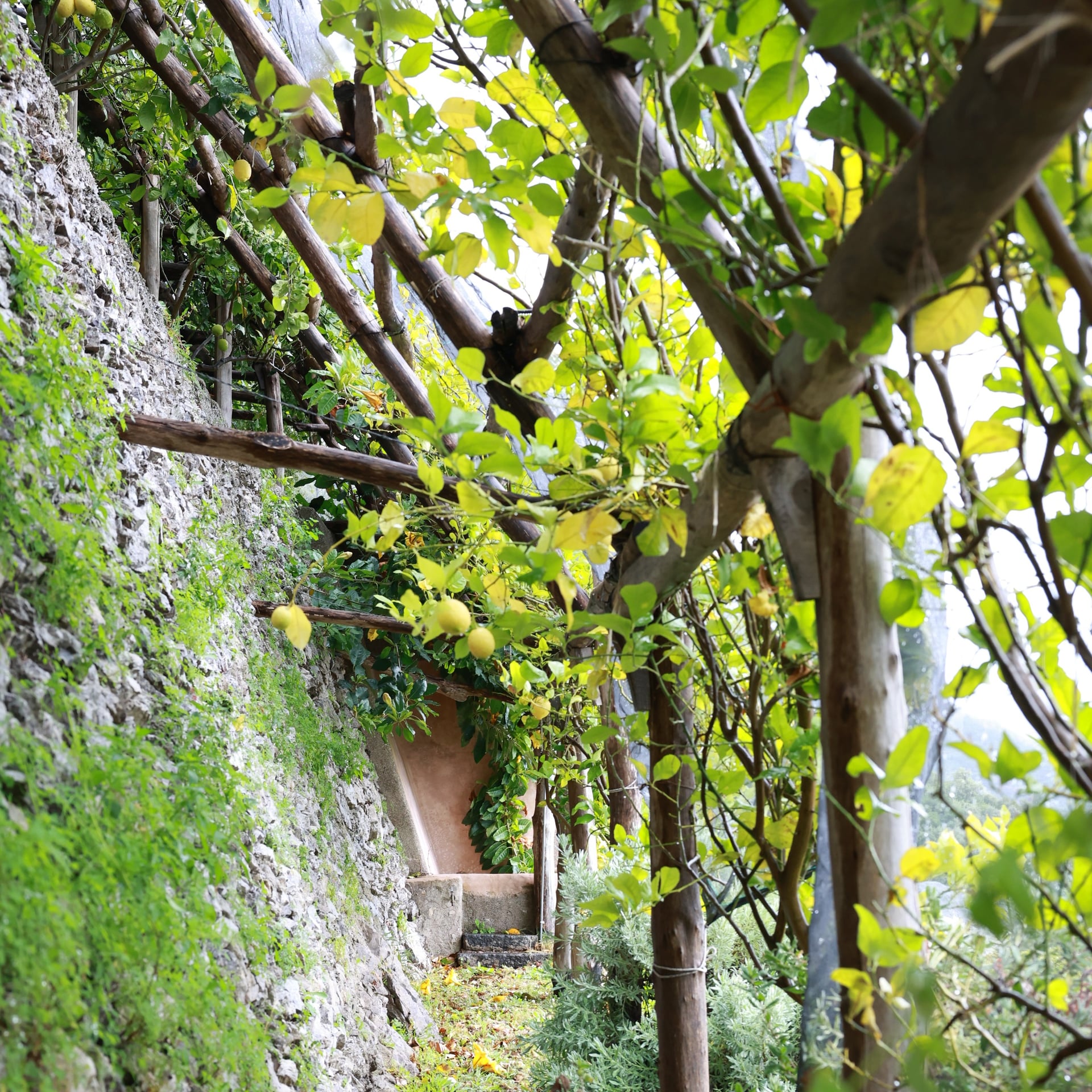
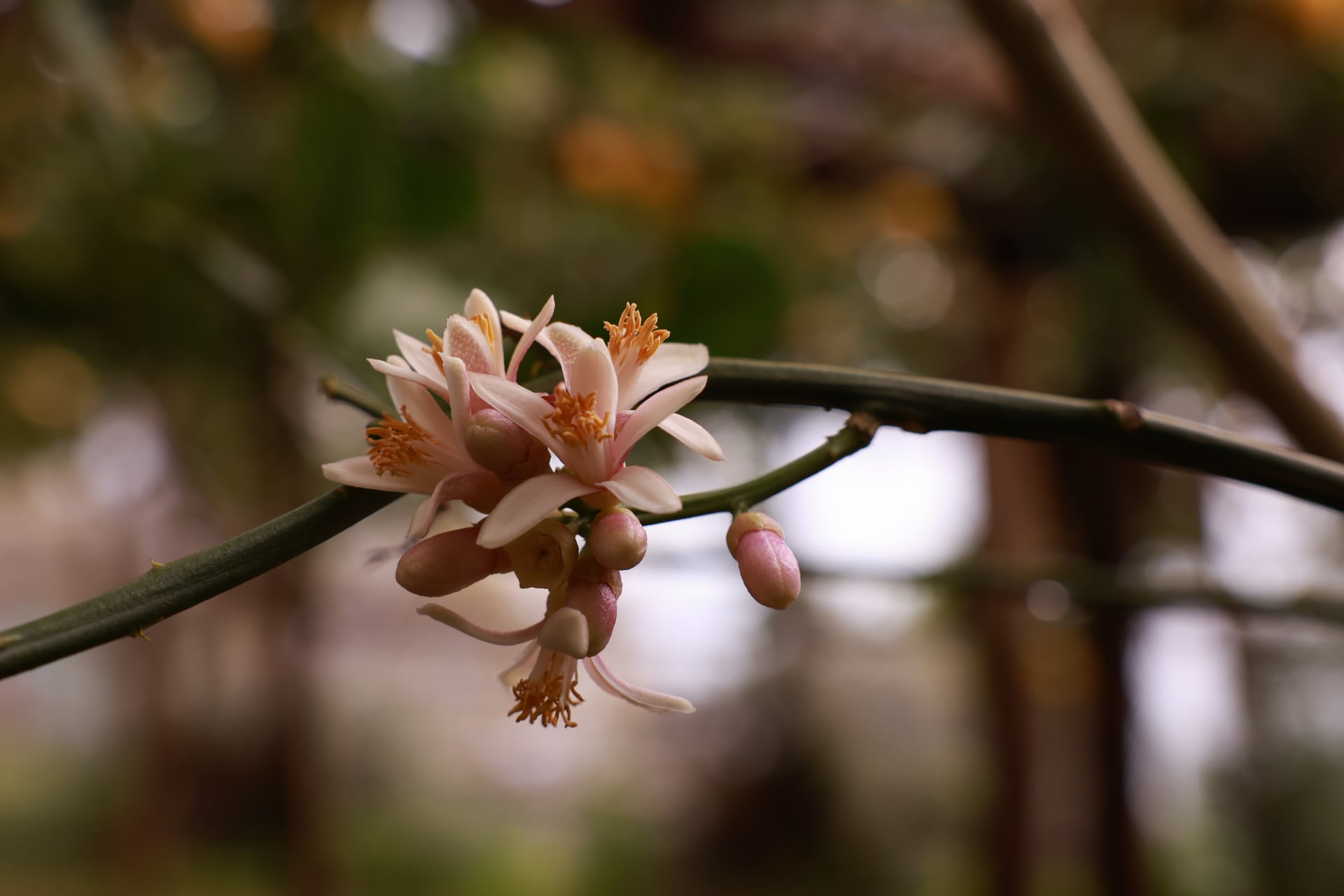
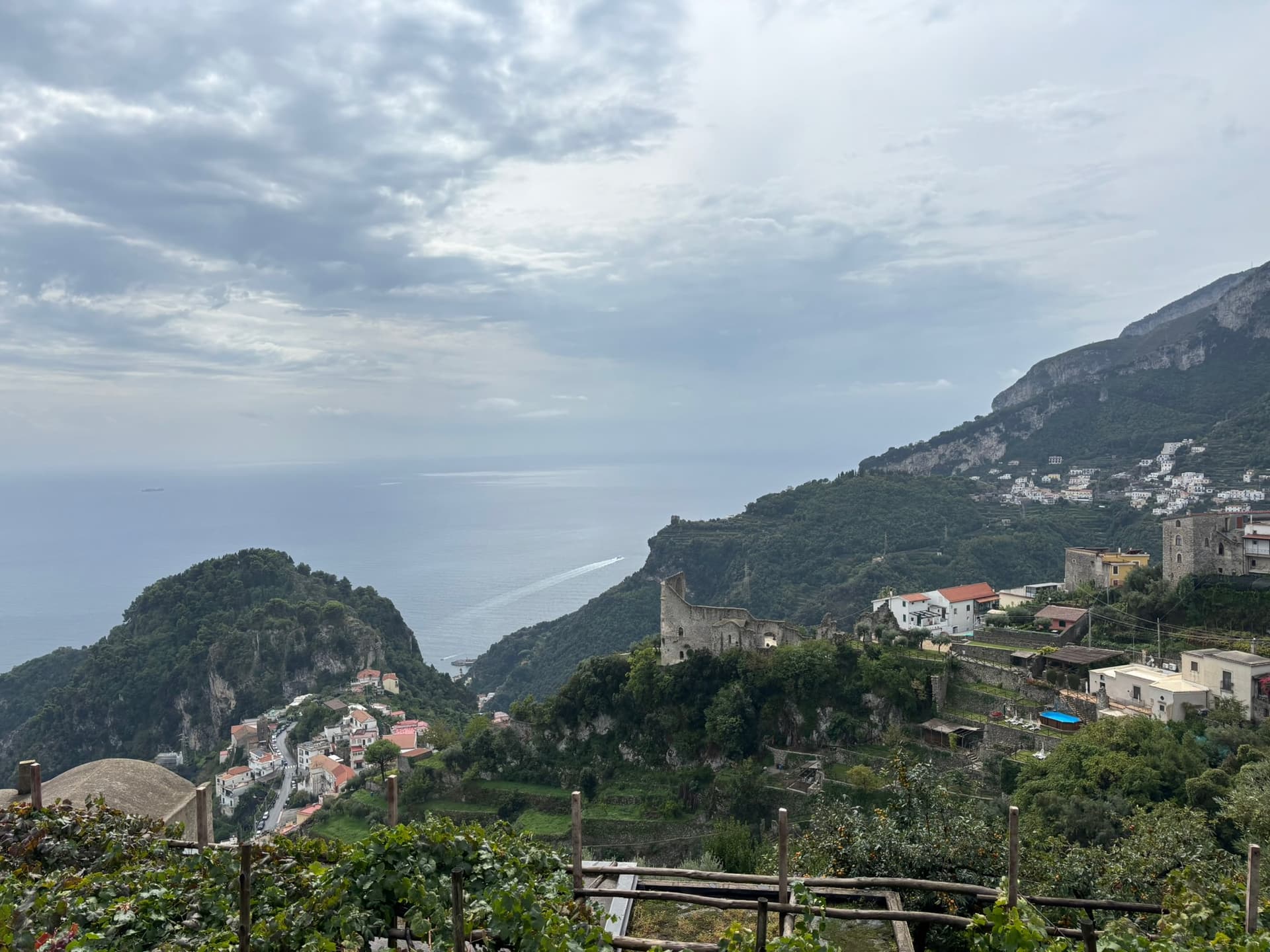
At Lemon Appeal, we started with a simple obsession—the lemon. Specifically, the Sfusato Amalfitano—that extraordinary, elongated citrus that has grown on the terraced hillsides of the Amalfi Coast since the Arabs introduced it in the early Middle Ages. But lemons, we quickly discovered, are never just lemons. They are a thread that pulls you into an entire world—the women who once carried them down the mountainside on their heads (link to article on sentiero delle Formichelle), the artisans who press them into ceramics (LA’s ceramic lemons) and liqueurs and pastries, the cheesemakers in the Monti Lattari whose provola takes on a different character entirely when it meets lemon leaves over an open flame.
That world, Southern Italian, rooted and unglamorous in the best possible way, is exactly what UNESCO is talking about when it speaks of bio-cultural diversity and the transmission of knowledge across generations. It's what we try to bring to the world—one carefully sourced product at a time. And it's what we want to celebrate today, with three recipes from the Costiera that put the lemon where it belongs—at the centre of the plate.
Spaghetti al Limone (and Its Beautiful Arguments)
If there is a dish that captures the Amalfi Coast's relationship with lemons, it's spaghetti al Limone. Except—and this is where it gets interesting—there is no single recipe. There are several, and every family has an opinion. The format of pasta alone is contested—spaghetti, spaghettoni, tagliolini, all have their advocates. Then there is the question of cream—some versions include it for a more rounded, velvety sauce; others keep it away, preferring olive oil, pasta water, and lemon juice to do the work alone. There is a version with anchovies that adds a savoury depth you don't see coming. There is one with just zest, butter and Parmigiano that is almost offensively simple and incredibly good at the same time.
What they share is brightness—the kind that makes you pause and comment while you eat. It’s a dish built on fresh lemon juice and zest, which means it only works with lemons that actually taste of something. The Sfusato Amalfitano, with its thick, fragrant peel and low acidity, was made for this. For a reliable foundation, the recipe from blog of Luciano Pignataro is a good starting point, then you adjust according to your convictions.
Grilled Provola Between Lemon Leaves
This one is more a ritual than a recipe. Provola affumicata from the Monti Lattari (the mountains that sit directly above the Amalfi Coast) is already extraordinary on its own—a stretched-curd cheese with a thin smoked rind and a creamy interior. But when you put it between two large fresh lemon leaves and lay it directly on a grill or a hot cast iron pan, something remarkable happens. The heat releases the essential oils in the leaves, which perfume the cheese from both sides as it melts.
The result is smoky, citrusy and deeply savoury all at once, and it just takes about four minutes. It is almost embarrassingly simple, and yet it tastes unbelievably good. It belongs to the category of things that have been made this way for generations, because no one has thought of a reason to change them. For a proper guide to the technique and the cheese itself, Stefania Autuori has written about it beautifully in her blog.
Salsa di Capperi, Alici di Cetara e Limone
The third recipe is not quite a sauce and not quite a dressing—it sits somewhere in between, and it works on almost everything. Capers, ideally salt-packed and rinsed, are chopped roughly and combined with the extraordinary colatura di alici from Cetara—the amber, intensely savoury fish sauce that has been made in that small village on the Amalfi Coast for centuries. A generous pour of good extra virgin olive oil, fresh lemon juice, and sometimes a little zest, and you have something that can transform a piece of grilled fish, a cold sliced chicken breast, or even a simple boiled potato into something that feels deliberately Southern Italian.
The saltiness of the anchovies and capers, the acidity of the lemon, the fat of the oil—it is a combination that requires almost no cooking and almost no skill, and yet it carries the full flavour logic of a cuisine that UNESCO just confirmed was worth protecting. No one who has eaten it will argue with that.